EXCLUSIVE: The unexpected data center effect: lower electric bills
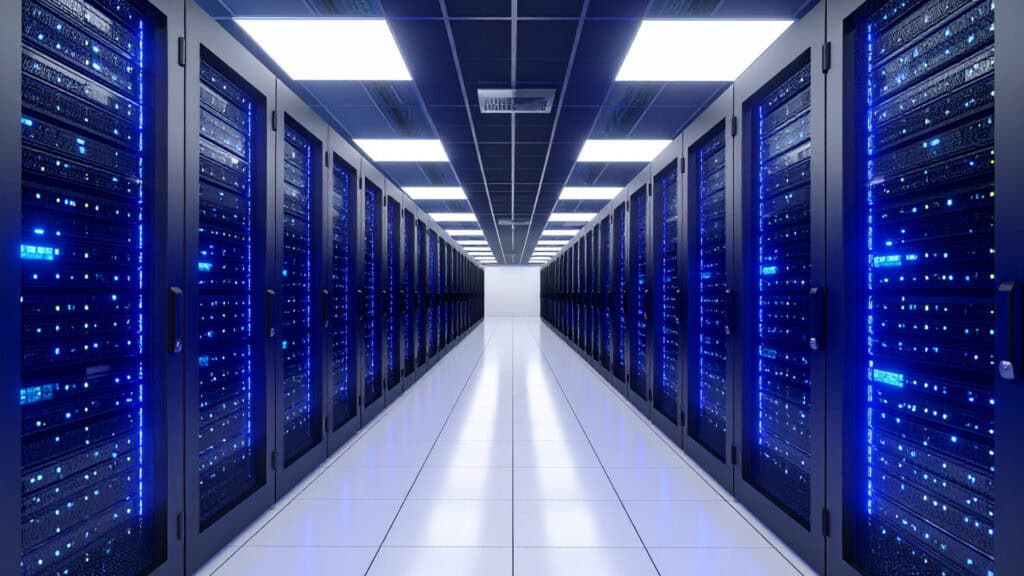
Data centers are under fire for consuming large amounts of electricity.
But new data from utilities across the country obtained by the Washington Reporter shows data centers can actually lower electric rates for residential customers.
In Indiana, Indiana Michigan Power is asking regulators to approve a rate cut that would save the average residential customer about $100 a year. Total customer savings are projected at $59 million in 2027.
The utility credited data centers for helping make the rate cut possible.
“The plan is made possible thanks to load growth and increased revenue from large customers including data centers,” Indiana Michigan Power said.
Indiana Gov. Mike Braun, who has supported data-center development, said the proposal shows new investment can produce “lower utility bills, long-term rate certainty and continued investment in our electric system.”
Georgia is seeing similar results.
CBS News reported that Georgia Power projects revenue from OpenAI and other large customers could save a typical residential customer about $15 a month beginning in 2029, or $180 a year.
OpenAI will also be responsible for the infrastructure costs needed to serve its massive Effingham County data center.
In Texas, CenterPoint Energy is projecting $5 billion in savings for electric customers over the next decade as new large-load customers help pay more of the fixed costs of the electric grid.
The developments come as data centers face growing political opposition over their electricity use.
Sen. Bernie Sanders (I-Vt.) has called for a moratorium on new AI data centers. Sen. Tim Sheehy (R-Mont.) has pushed back against the effort.
“First they killed our timber mills, then our mines, then our factories — now data centers,” Sheehy said in response to Sanders.
“Every politician calling for the end of data centers is also calling for the destruction of the future jobs they create,” Sheehy added.
The new utility numbers bolster Sheehy’s case.
Indiana Michigan Power is proposing $59 million in customer savings. Georgia Power projects $180 a year in savings for a typical residential customer. CenterPoint projects $5 billion in savings in Texas over the next decade.
Data centers require massive amounts of power. But in Indiana, Georgia and Texas, utilities say the additional revenue from large-load customers can help lower costs for everyone else.