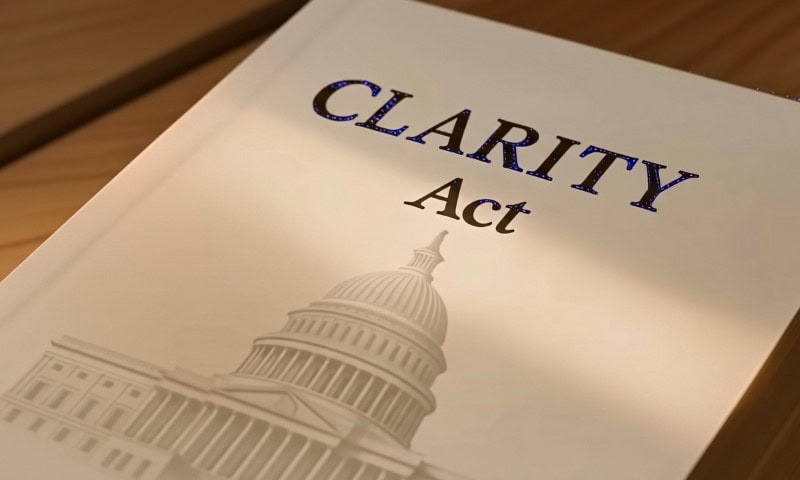
Last week, the Senate failed to advance the CLARITY Act, a bipartisan proposal to create market structure for cryptocurrency and digital assets in the United States. The bill had been a key priority of President Donald Trump, who said the legislation “will keep us ahead of China, keep us ahead of everyone else, will open the door to the next wave of innovations and innovators.”
While many attribute the bill’s failure to lock-step Democratic opposition and election season partisanship, several media outlets attributed the loss to a well-funded opposition campaign from the banking lobby. Reuters, for example, attributed Trump’s loss to “the powerful banking lobby.”
In just one instance of a successful pressure campaign by banks, their trade association commissioned what critics have attacked as a push-poll to drive negative messaging around the CLARITY Act, asking questions intended to elicit answers that would suggest Americans are skeptical of aspects of the bill.
In one example, respondents were asked whether “Congress should prohibit crypto companies from being able to offer interest-like rewards for holding stablecoin if there is a risk it could draw away deposits from local banks and reduce the amount of funds available to banks to lend in the community and support economic growth.” The banks used that result to argue that a strong majority had concerns about the bill, even though the White House’s own Council of Economic Advisors conducted and released research making clear that risk was not legitimate.
The Washington Reporter has covered the debate over the Open Banking rule extensively, previously reporting that the Trump administration was preparing to allow new hidden fees on digital transactions. Experts previously outlined to the Reporter that fees could include any effort to deposit or withdraw money into a crypto trading platform or a digital wallet or even add new charges and fees for families depositing money into Trump Accounts.
Now that banks have successfully derailed Trump’s crypto agenda, crypto experts and consumer protection advocates worry that banks could go even further in harming the industry by pushing for new hidden fees in the upcoming Open Banking rule expected sometime this fall.
An economic analysis from one of Trump’s own former CFPB officials found that these fees would have incredible damage on President Trump’s affordability agenda. Other polls found that conservatives and Trump voters are overwhelmingly skeptical of these powerful big banks, particularly after their role in closing Trump’s bank accounts; a full 81 percent also oppose the hidden fees and tolls the banks are reportedly pressing for in this new rule.
Watchdog groups like Save our States have warned “big banks want to destroy Trump’s affordability agenda,” and sources close to the Reporter said that they “hope that the president will not let the big banks who continuously undercut his agenda notch another major win at the expense of President Trump’s strongest supporters.”