EDITORIAL: Elevance just made a policy change lawmakers should notice
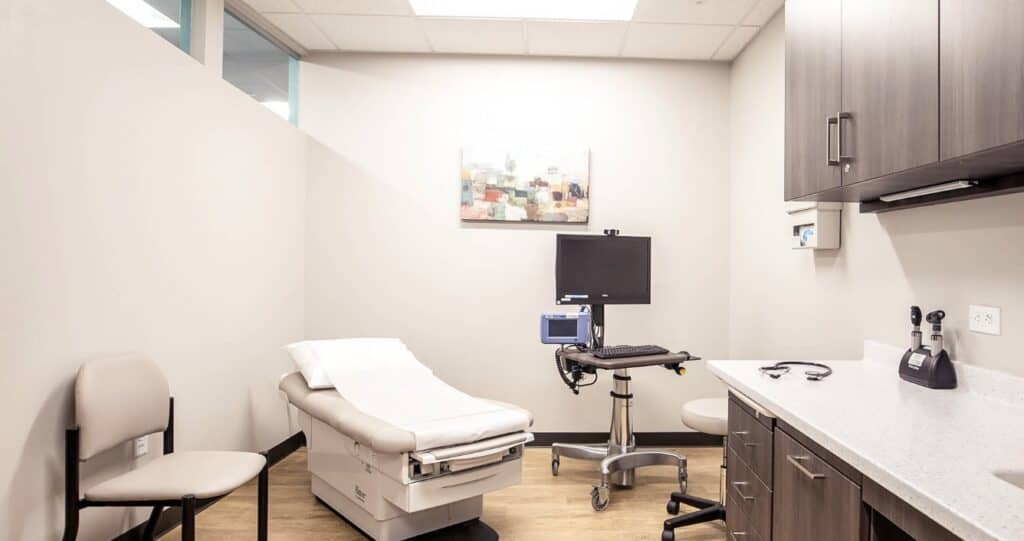
Elevance Health announced a seemingly small change Tuesday that warrants attention from lawmakers because it could have a major impact on health care costs.
The insurer will begin requiring hospitals to accurately report where patients actually receive care. If a patient is treated at a doctor’s office, the hospital cannot bill the service as if it happened at a hospital.
Axios first reported the move, which takes aim at one of the more distorted incentives in health care. The same treatment can cost dramatically more depending on whether it is coded as taking place at a hospital or a doctor’s office. That creates an obvious incentive to classify more care as hospital care, even when the work is done at a doctor’s office.
Patients may never know the difference, but they ultimately pay for it through higher premiums and out-of-pocket costs.
The Washington Reporter has extensively covered health care costs because affordability is both a major political issue and one of the few areas where Republicans and Democrats still have a realistic chance to work together.
Fixing these billing problems is exactly the kind of reform Congress should pursue. To its credit, Congress recently passed legislation as part of a larger package that would effectively do what Elevance is doing. The problem is that the change does not take effect immediately. That delay was almost certainly the result of effective lobbying from hospitals and physician groups. But there is no good policy reason for it.
A Blue Cross Blue Shield Association study found Medicare paid an additional $2.7 billion over three years for certain services performed in hospital outpatient settings instead of physician offices. Patients paid another $411 million out of pocket.
Elevance’s new policy requires hospitals to report the physical location where care was actually provided. Elevance validates that location and pays accordingly.
In other words, if a patient was treated at a doctor’s office, say it was a doctor’s office.
We are not aware of any patient who wants his doctor’s office classified as a hospital so he can pay more for the same care.
There will always be fights between hospitals and insurers over reimbursements, and both sides will take those fights to Capitol Hill. Some of us at the Washington Reporter spent years working on health care policy in the Senate. We know there are usually legitimate arguments on both sides of these fights.
But on this one, it is not a close call.
Knowingly misrepresenting a doctor’s office as a hospital to obtain a higher payment can be fraud. And every patient ultimately pays for that kind of abuse.
Republicans can pay for it politically, too, as Americans grow increasingly frustrated with health care costs.
The Reporter has extensively covered fraud, waste and abuse in health care. We have also reported polling showing that cracking down on health care fraud is one of the most popular ways to address rising costs.
Elevance’s move shows how the private sector can be an ally.
Other insurers should follow its lead.
More importantly, Republicans in Congress and the administration should look at this as a model for lowering costs without harming patient care.
Dr. Mehmet Oz and the CMS team have already taken important steps to tackle waste and fraud. But there is a lot more that can be done.