In general, as a conservative, I believe the federal income tax punishes work, discourages productivity, and puts a drag on economic growth. A system that relies less on taxing income and more on other sources of revenue is far more aligned with growth, investment, and individual choice. Tariffs are not a substitute for broader tax reform, but they do generate revenue that is not directly tied to taxing American workers’ paychecks — and that’s exactly why it matters right now.
President Donald Trump’s tariffs are generating hundreds of billions in new federal revenue, creating a rare opportunity in a critical midterm year. Instead of allowing those funds to be absorbed by regular spending, lawmakers should make a one-time investment in expanding health savings accounts and put those dollars directly in the hands of American workers, aligning with the president’s Great Healthcare Plan.
The Treasury reports that customs duties are now bringing in nearly $200 billion to the general fund — an amount equivalent to the economy of Kansas just in one year. This eye-popping number surprised many economists, including many Trump skeptics who thought that tariffs would worsen inflation or put a drag on the economy. So far, those concerns have not materialized in the data.
Democrats have opposed the tariffs at every turn. A multi-state lawsuit of Democratic attorneys general sued the Trump administration and demanded tariff refunds for the multinational corporations working as importers of record. Now, Senate Democrats — including Democratic Leader Chuck Schumer — are pushing to accelerate those payments, effectively returning tariff revenue to large corporations rather than directing it to American households.
The administration is currently processing refunds to comply with courts rulings. At the same time, it has imposed a new 10 percent global tariff under a different legal basis designed to withstand further legal challenges. Over the past year, tariffs have not significantly slowed economic growth or driven up inflation. Most importantly, it has brought in substantial revenue for the Treasury.
The question is how to use this revenue.
Congress already has a clear pathway to do exactly that. Through the budget reconciliation process, lawmakers could create a refundable “Health Security Credit” deposited directly into Americans’ health savings accounts, using projected tariff revenues as the offset. Because those revenues are already flowing into the Treasury, pairing them with HSA expansion would allow the policy to be scored as deficit neutral, clearing a key hurdle in the Senate and making it achievable with a simple majority.
The president has floated a “tariff dividend” — a one-time check to households, but such payments would be modest, taxable and quickly spent.
There is a better option: invest the funds in expanded health savings accounts. Rather than sending out another stimulus check, the president could use the tariff revenues as a down payment on his Great Healthcare Plan. Just as his Big, Beautiful Bill created Trump accounts for every American newborn, the President and his allies in Congress could extend access to health savings accounts (HSAs) for the millions of American workers who haven’t been eligible to have them yet.
Why HSAs? Unlike a one-time check, the funds would be tax-free. In fact, HSAs offer multiple tax benefits. While a stimulus check might be spent in a weekend and taxed — HSA contributions can grow over time, supporting both household savings and investment in the broader economy. And when those funds are used, they tend to go toward preventative care, improving public health, and reducing long-term costs for individuals, employers, and insurers.
Democrats previously fought to preserve the subsidy payments to insurers rather than directing resources to individuals. The subsidies expired, but the president’s tariff revenues are an amount even larger than these subsidies, and they could go directly to the people via tax-advantaged HSAs that grow over time and encourage people to take care of their health.
Politically, investing tariff funds in HSAs as a one-time, non-recurring infusion would be a clear winner. Democrats have vehemently opposed the President’s tariffs, but they would face a steep political cost if those same tariffs were funding healthcare for their constituents.
Polling from President Trump’s pollster John McLaughlin shows broad support for expanding HSAs, with nearly three-quarters of Americans backing more flexible accounts that can be used for expenses like gym memberships and other wellness-related costs. The same poll showed that two-thirds of voters are more likely to support candidates who favor HSA expansion. In a midterm environment that typically favors the opposition party, Republicans should seize this opportunity to align policy benefits with political advantage.
President Trump already significantly expanded the use of HSAs last summer with his Working Families Tax Cut and called for further expansions in his Great Healthcare Plan. As we approach the midterms, now is the time to take the next step and use tariff revenue to expand HSA eligibility to more Americans. It would improve public health, strengthen the economy, and give Republicans a compelling, voter-friendly agenda heading into November.
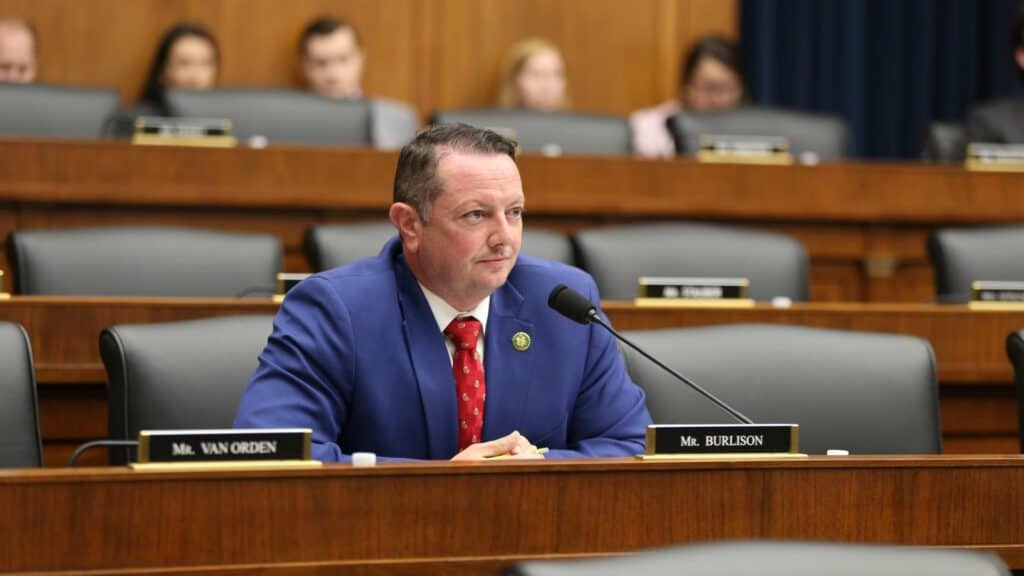
Rep. Eric Burlison represents Missouri’s 7th District in Congress.