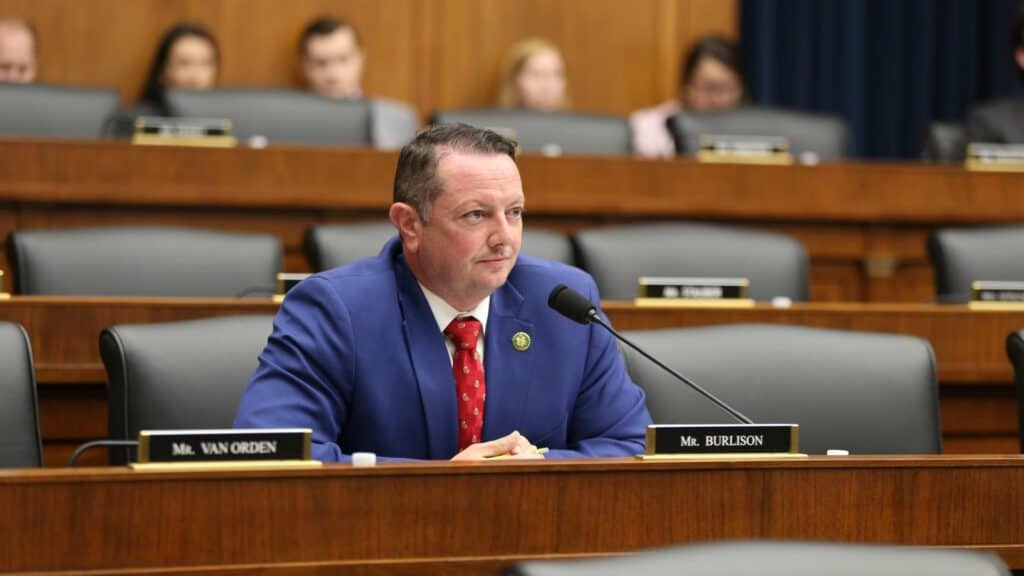
Rep. Eric Burlison (R., Mo.) proposed a “patient-first” overhaul of the country’s healthcare system in an effort to lower costs and to return power to consumers.
Burlison’s Great American Healthcare Plan aims to increase price transparency, expand Health Savings Accounts (HSAs), and boost competition in the healthcare industry. “Americans are paying more than ever for health care and getting less control in return,” Burlison said. The plan is part of a larger Republican movement to shift healthcare away from centralized oversight and toward consumer choice.
Burlison laid out his vision for reshaping America’s complex healthcare system in a Washington Reporter op-ed, in which he wrote “lawmakers should make a one-time investment in expanding health savings accounts and put those dollars directly in the hands of American workers, aligning with the president’s Great Healthcare Plan.”
The main component of the bill is a major expansion of HSAs, which eliminates qualifying requirements and permits tax-free contributions from Americans enrolled in Medicare, Medicaid, and ACA plans. Burlison explained that “the bill removes outdated restrictions that limit access to HSAs and significantly increases contribution limits, allowing more Americans to save and spend their healthcare dollars tax-free” — a change that will give Americans greater control over their healthcare spending.
Advocates like Keith Nahigain, president of the Great American Health Alliance, agree that “we cannot miss this urgent, once-in-a-generation opportunity to fundamentally reform healthcare and put consumers back in charge.” Reinforcing the perspective that as out-of-pocket expenses continue to grow, this reform would provide people more direct control over their healthcare spending.
Additionally, the legislation expands the range of HSA funding to include wellness-related and preventative costs like nutrition and fitness, marking a move away from reactive care and toward long-term health management.
By mandating hospitals and insurers to reveal actual prices in straightforward, dollar-based terms, the bill is also trying to reform pricing practices. Burlison claimed that the idea “gives people ownership of their healthcare dollars,” and gives them back the ability to make better decisions for themselves and their families.
Although the law has received support from a number of healthcare advocacy organizations, it is anticipated to be scrutinized by opponents who wonder how these changes might alter current regulatory monitoring and coverage systems. Opponents are likely to reject this proposal on the grounds that the healthcare industry does not need any more incentives that encourage Americans to spend additional money on healthcare. Critics believe the industry already receives substantial financial support through existing tax breaks and government programs.