Op-Ed: Rep. Scott Fitzgerald: NDO Fairness Act Will Ensure Jack Smith’s Political Lawfare Won’t Happen Again
Last week, the House Judiciary Committee released a report on Special Counsel Jack Smith’s lawfare against sitting Members of Congress. The report lays out in great detail how the Biden-Harris DOJ—in coordination with Special Counsel Smith—seized the phone records of at least 17 Members of Congress and obtained text message records of dozens more.
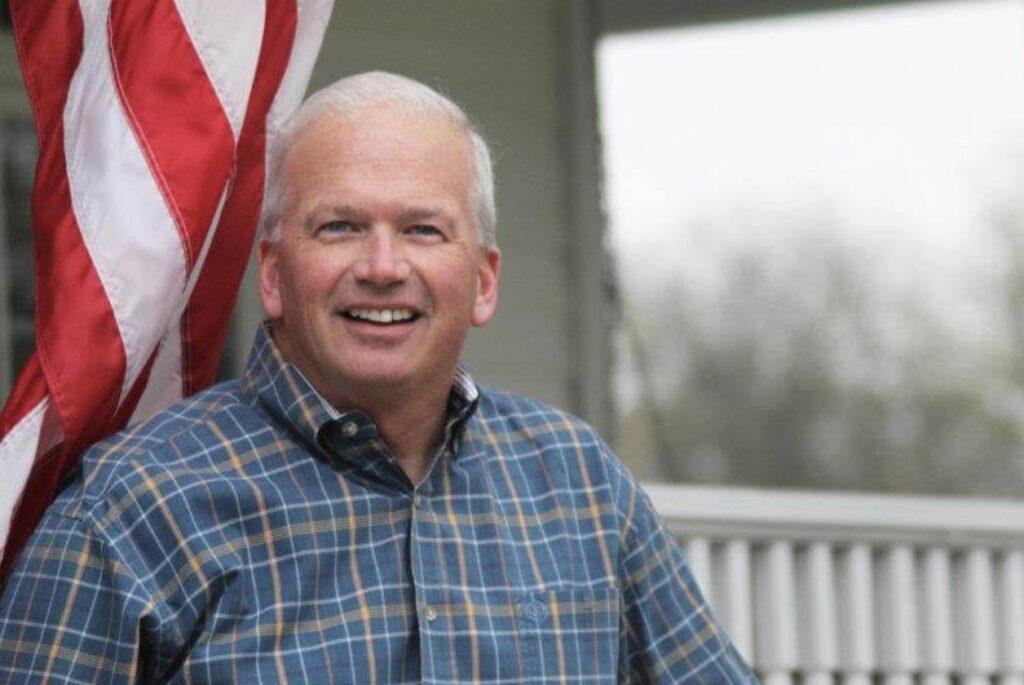
I was a victim of Jack Smith’s lawfare. In May 2022, the DOJ issued a subpoena for my toll records. As the Judiciary Committee report explains, “[a]lthough Representative Fitzgerald was only on the job for two days before the House’s vote to certify the 2020 presidential election, the DOJ’s abusive subpoena demanded months of call records….” Like the rest of my colleagues, I found out my records had been seized only through ongoing congressional investigations and voluntary document productions by the FBI and DOJ. That’s because the Biden-Harris DOJ imposed non-disclosure orders (NDOs), also known as “secrecy orders,” on electronic communications providers to prevent Members of Congress like me from ever knowing the information was requested.
While Jack Smith’s investigation brought the rampant abuse of NDOs to light, the DOJ’s excessive use of gag orders has been problematic for some time. When the Judiciary Committee held a hearing on NDOs in 2021, Microsoft testified that it received, “2,400 to 3,500 secrecy orders each year, or 7-10 per day.” Often, these NDOs are boilerplate and contain no meaningful analysis of the need for secrecy. Rather, the DOJ blindly asserts, and the judge cursorily affirms, that any disclosure would “seriously jeopardize” an investigation. No further questions.
This is the root of the problem with Jack Smith’s investigation, and why I have championed legislation to address it. For starters, the Biden-Harris DOJ should have had to disclose to a judge that the subpoenas were directed at sitting Members of Congress. As the Judiciary Committee report explains, and even Jack Smith himself admitted, compelling the productions of Members’ communications is likely to raise a valid constitutional Speech or Debate argument. Further, the judge—who was apparently unaware of the targets of Jack Smith’s subpoenas—accepted, without debate, the DOJ’s boilerplate argument that disclosing the existence of subpoenas would somehow jeopardize its investigation. Finally, the imposition of the NDO left no opportunity for Members of Congress to challenge its validity or argue against its constitutionality.
For the last three Congresses, I have introduced, alongside Congressman Jerry Nadler (D-NY), the NDO Fairness Act. The bill would make modest reforms to the government’s use of NDOs by imposing reasonable time limits, requiring greater scrutiny by the judge, and giving victims the opportunity to be notified and to challenge the order. More importantly, this bill would have stopped Jack Smith’s unconstitutional subpoenas at the onset. Yet, despite passing the House nearly unanimously in the last three Congresses, this bill has stalled in the Senate.
Jack Smith’s investigation will forever remain a dark stain on the Biden-Harris DOJ and will serve as a cautionary reminder of the dangers of political lawfare. But Republicans have an opportunity to ensure this type of reckless prosecution does not happen again. By sending the NDO Fairness Act to the President’s desk, we enshrine constitutional protections for all Americans and end the abuse of secrecy orders once-and-for-all.
It is time for the Senate to finish the job.
Rep. Scott Fitzgerald represents Wisconsin’s 5th District.