Op-Ed: Jon Schweppe: Help families get ahead by ending locked-in phones
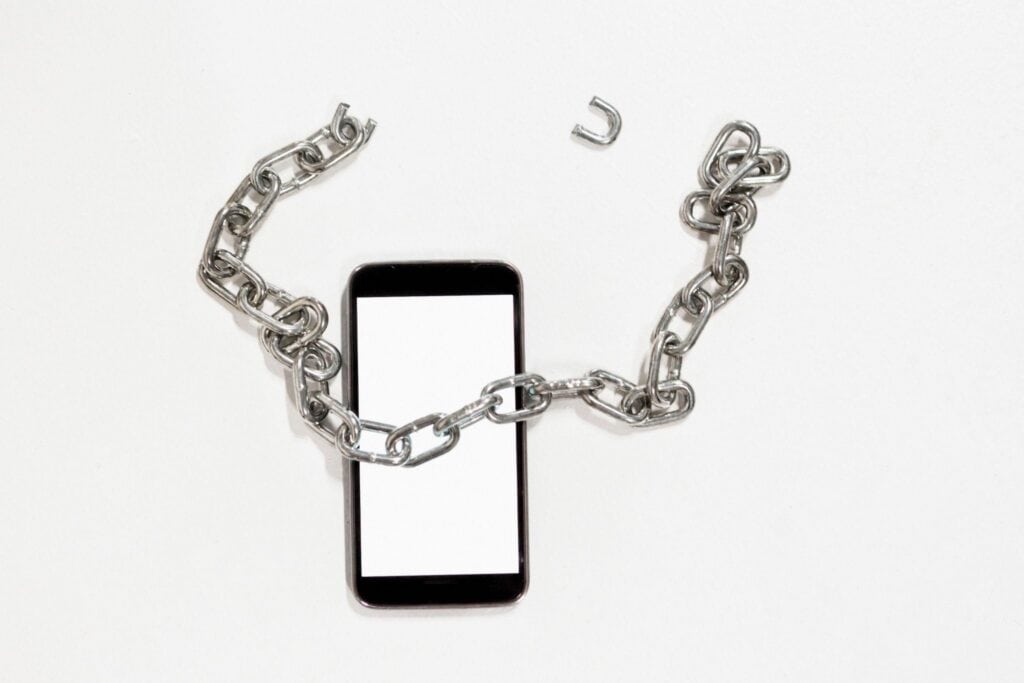
When you buy a cellphone, you expect it to be your property. You paid for it. It’s your device.
But that’s not really how it works. The big carriers have built a system where your phone is functionally their phone. You’re just a renter. You bought a device that only works if you keep paying for their monthly service.
That should change.
Right now, if a family finds a cheaper wireless plan or better coverage, they often can’t just take their phones with them. The devices are lockedto one carrier. You either buy all new phones, or you jump through hoops to unlock them. Consumers are trapped into sticking with plans that no longer make sense for their budgets.
Families are hit especially hard by this. When you’re on a family plan, one person’s phone financing decision can lock down everyone. If one line can’t move, the whole family stays stuck — even if a better, more affordable option is sitting right there. Mom might want to switch to better rural coverage, but Dad’s work phone is locked in. The kids need reliable data for school. Suddenly, the whole household is paying more than they should because the system makes switching painful and expensive.
Phone service isn’t optional anymore. It’s a core household expense. Family phone plans typically cost $160 to $200 per month. In a total household budget of about $6,545 per month, that means phone service alone can consume roughly 2.5 to 3 percent of total spending. For many working families, that adds up to thousands of dollars a year that could be going toward groceries, gas, rent, or other critical life expenses. And while prices for plans are down under President Trump, there’s more that can be done. Families should be able to shop around for a more affordable option and actually switch without starting over or facing big upfront costs for new devices.
This isn’t complicated. We already let people refinance car loans and transfer credit card balances. The wireless industry shouldn’t get a pass. Competition forces companies to offer better prices and service. It could also make it possible for newer entrants in this space, like Patriot Mobile or Trump Mobile, to demonstrate their value to consumers and level the playing field. When consumers can easily move, carriers have to fight for your business rather than count on you being trapped. That pressure leads to lower prices, better coverage, and improved customer service across the board.
Momentum is building to fix this. Elon Musk’s SpaceX just joined rural providers to call on the FCC to act. Their ask is straightforward: a clear nationwide rule requiring phones to be automatically unlocked after 180 days. This would restore real choice for consumers, which voters overwhelmingly want. An April poll by Fabrizio Ward found that 75 percent of voters believe phone locking limits choice and keeps bills higher. Support for unlocking cuts across party lines — 93 percent of voters are in favor. This isn’t a partisan issue. It’s a basic fairness issue for American families trying to make ends meet.
Unlocking phones doesn’t stop carriers from offering financing or protecting against fraud. A short, reasonable waiting period after purchase would be enough to handle those concerns. Carriers can still recoup their investment in the device, but families shouldn’t be held hostage in the long term.
President Trump has made tackling the affordability crisis a top priority. Ending phone locking is a common-sense policy that would help him deliver on his goal of lower costs for consumers. It puts real money back in families’ pockets without raising taxes or creating new government programs. It shows that the government can remove barriers, increase competition, and let markets work better for everyday people.
At a time when household budgets are under tremendous pressure, giving families the freedom to move their phones to cheaper plans as easily as they can keep their phone number is one of the simplest ways to address affordability concerns. It would strengthen competition, lower costs, and provide Americans with needed flexibility.
Families are dealing with enough already. Wireless should be one area where better options and peace of mind are within reach. No more locked-in phones. Let’s get it done.
Jon Schweppe is a senior advisor at American Principles Project. He authors the Populist Solutions substack. Follow him on X @JonSchweppe.