Every January, tens of thousands of Americans converge in Washington, D.C., for one of the largest human rights demonstrations in the world: the March for Life. And each year, critics try to reduce it to a partisan spectacle — a “culture war rally,” a “religious protest,” or a political talking point. One of the protesters held a sign: “Talk to me, I was once religiously brainwashed.” She was yelling while those in the march respectfully prayed and sang.
The critics are wrong.
The March for Life is not ultimately about elections, parties, or politicians, or even abortion. It is about a moral truth that transcends politics: every human life has inherent value, from conception to natural death. I witnessed this firsthand when I met teenage mothers who went to the Saint Gianna & Pietro Molla Maternity Home for help when they felt all alone and needed support. Kate was 19 years old when she became pregnant, and now she and her 17-year-old son Dominic marched together in support of life. Ron marched for the first time this year. He and his wife Dorothy adopted five children.
These are just some of the many stories of hope, courage, and strength rooted in sacrifice and unconditional love, which is at the core of the March of Life.
For more than five decades, Americans who believe this simple principle have shown up — peacefully, prayerfully, and persistently — to be a voice for the voiceless. They march not out of anger, but out of conviction. Not to condemn, but to defend. And not because it is easy, but because it is right.
Since the Supreme Court’s decision in Dobbs v. Jackson Women’s Health Organization, which rightly overturned Roe v. Wade and returned abortion policy to the states, some have claimed the pro-life movement has “won” and should move on. But the fight for life is far from over.
Abortion advocates in the United States have not moderated their approach in the wake of legal and cultural debate. Instead, they have pressed forward with increasingly extreme measures, advancing late-term abortion policies, dismantling parental notification requirements, and targeting pregnancy resource centers that provide women with meaningful support and alternatives. At the same time, across the globe, innocent men, women, and children are subjected to abuse, violence, and even death at the hands of religious militants, their fundamental human dignity violated simply because of their faith.
The CPAC Center for Faith and Liberty has taken up this cause on the international stage, standing against religious persecution wherever it occurs and placing the defense of human dignity at the center of its mission. While the mainstream media has largely ignored the reality that an estimated 388 million Christians worldwide face persecution for their beliefs, their lives are no less valuable and no less deserving of protection.
The March for Life since Dobbs v. Jackson serves as a powerful reminder that laws alone do not change hearts, and the latest pop culture does not change what’s right. It takes the courage to speak truth in an age of moral confusion, and to defend those who cannot defend themselves.
CPAC is exercising that courage while calling on others to join us in defending human life not just in the U.S. and not just in the womb, but around the world, both young and old. At its core, the pro-life movement should extend from cradle to grave, and the fight against religious persecution should be a fight of the entire pro-life movement. Pro-life activists should be outraged by violations of human dignity at any stage of life.
So, no. The fight for life is not over, and the March for Life is not over either. In fact, the pro-life movement is only increasing in relevancy and significance. We are seeing the rise of a pro-life generation among the youth.
The March for Life stands as a quiet rebuke to the cynicism of our age. In a time when public discourse is dominated by outrage and division, these marchers gather peacefully, year after year, with resolve and grace. That kind of consistency is rare and powerful. The March for Life is not about imposing beliefs. It is about affirming humanity. It is not about control. It is about conscience. And it is not going away because the truth it proclaims cannot be silenced by slogans, court rulings, or political pressure. Its message is universal.
As long as innocent life is at risk, there will be Americans willing to stand up, march forward, and speak out — because a nation that values human dignity cannot remain silent when its most vulnerable are denied their right to live.
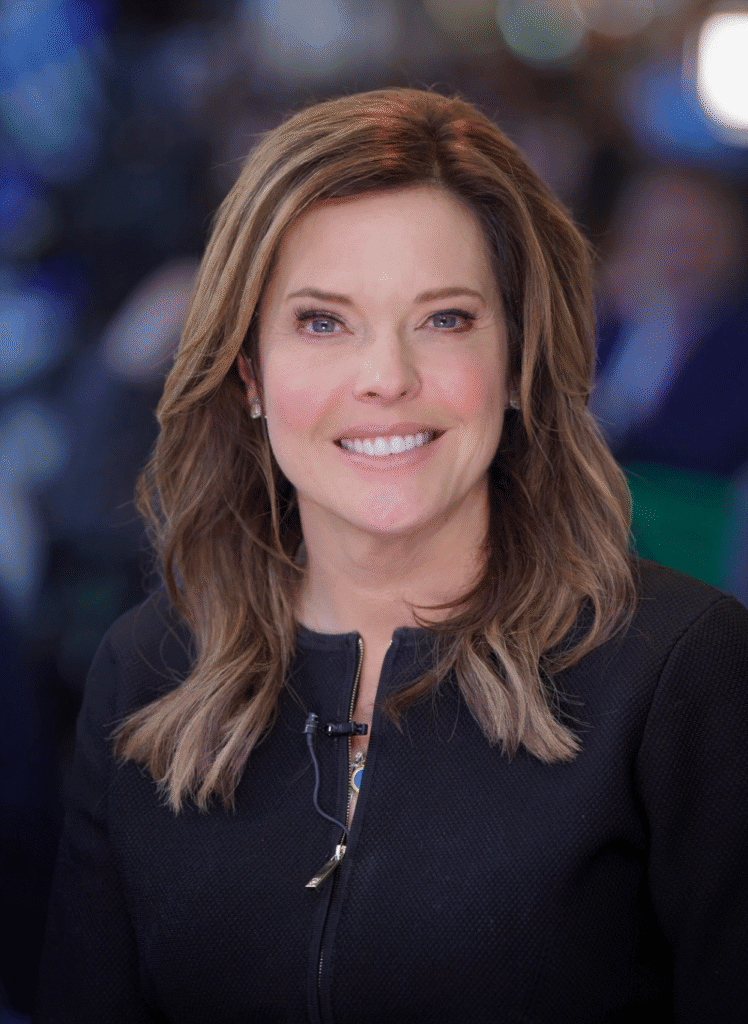
Mercedes Viana Schlapp is a Senior Fellow at CPAC and co-host of The Right Squad. She was former White House Senior Advisor for Strategic Communications for President Donald J. Trump