State financial officers are raising concerns over how a not-yet-finalized Biden-era financial transparency rule may ultimately be implemented, warning that a proposal intended to give taxpayers more information could instead consolidate power in the hands of a single private company and drive up costs for governments and investors.
In a recent letter to federal regulators, state treasurers from across the country raised objections to the proposed rulemaking under the Financial Data Transparency Act, arguing that the approach — developed during the Biden administration — would effectively mandate use of a proprietary financial instrument identifier controlled by Bloomberg L.P. While the regulation’s goal is greater transparency, treasurers say the structure of the rule could impose significant costs and operational burdens on market participants, with taxpayers ultimately footing the bill.
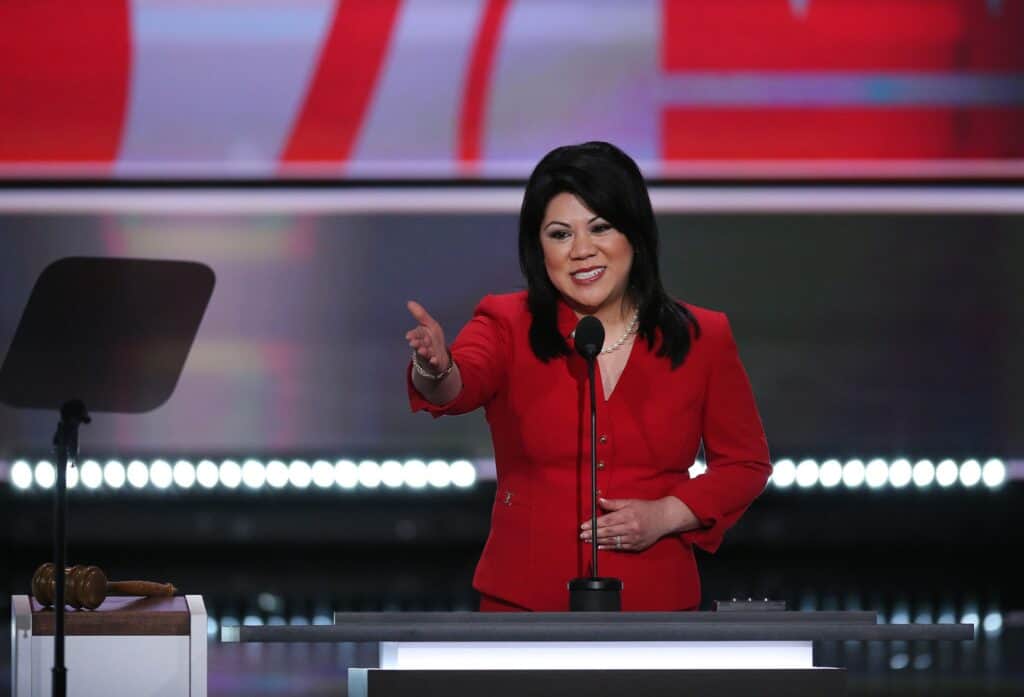
Republican Arizona State Treasurer Kimberly Yee was one of the signatories. The Washington Reporter asked her to explain what the letter says, why it matters, and how states are working to improve transparency without disrupting existing financial systems:
Washington Reporter: You raise concerns that the proposed rule could “further empower Bloomberg L.P., a private company that already maintains extraordinary influence over the financial services industry” – can you tell us the risks of giving this much influence and power to one company? Why should taxpayers and Americans care about this?
Arizona Treasurer Kimberly Yee: Giving this sole responsibility to a single private company risks turning a core piece of public market infrastructure into a private monopoly. This could lead to higher fees, forcing smaller public entities and government agencies to rely on Bloomberg’s tools and pricing. Taxpayers should be warned because these costs and risks don’t stay on Wall Street. These increased costs are passed on to investors, pension funds, local governments, government agencies, and ultimately, the taxpayers. America’s competitive free market must serve broad public interests, not promote a single dominant vendor.
Washington Reporter: Michael Bloomberg was the largest single donor to President Biden’s campaign – you mention his political influence in your letter. Do you think that politics could have been a factor in this proposed rule, that so clearly benefits one firm?
Yee: When the Biden Administration advanced this proposal, whose founder has been one of the largest donors in recent history, it undermines public confidence that decisions are being made through an unbiased and competitive process. Taxpayer‑funded systems should never be structured to favor a politically connected company. Americans expect and deserve safeguards that benefit the public interest, not shaped by donor influence, especially when billions in public dollars are at stake.
Washington Reporter: Your office has been a leader on transparency and already makes a lot of Arizona’s financial information public. How has that experience shaped your views on how these federal rules should work?
Yee: Transparency is at the forefront of all my actions as the Treasurer of Arizona. I never lose sight of the fact that the $32.3 billion dollars under my management belongs to the taxpayers. In Arizona, when we seek a private company as a vendor, we enlist an unbiased, comprehensive Request for Proposal. This ensures that the best company or product is selected and permits all companies to be considered for the contract. That level of fairness and openness was absent in the federal decision to mandate Bloomberg’s FIGI system.