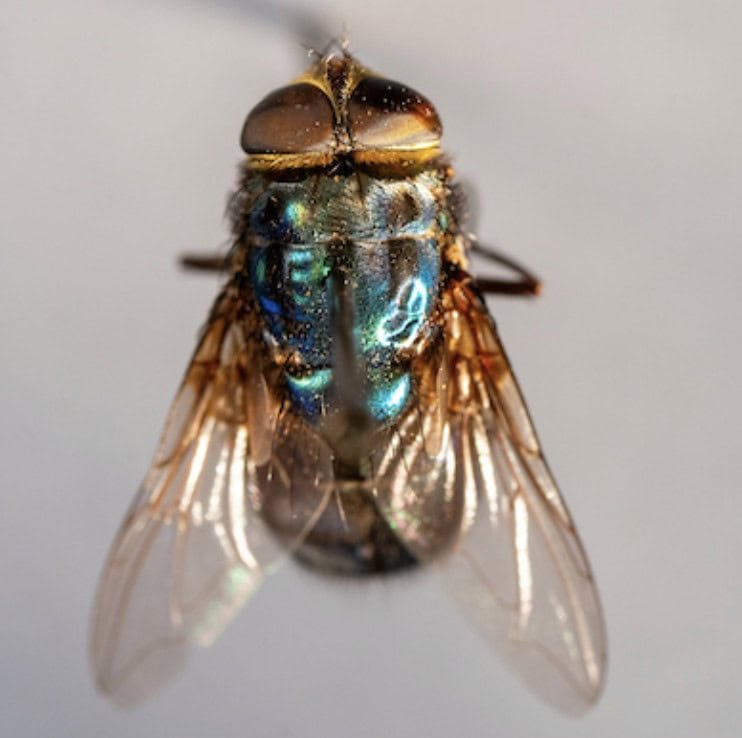
America has beaten New World screwworm before, and we are determined to beat it again. This parasitic pest has raised serious concerns among livestock owners, some of whom remember the last major push to drive it out of our nation in the 1960s. Thankfully, screwworm is currently still quite uncommon in the U.S., as we’ve seen only 42 cases so far compared to the 30,000 cases recorded in Mexico over the last year. Nevertheless, we are working around the clock at the U.S. Department of Agriculture (USDA) to rapidly eliminate the animal health threat and ensure the American public understands that the food supply remains safe.
Surveillance and movement controls on the ground are being led by Gov. Greg Abbott (R., Texas), the Texas Animal Health Commission, and the Texas Parks and Wildlife Department — and the federal government is reinforcing their efforts with unprecedented support. Since January 20, 2025, the Trump administration has mounted one of the largest animal health responses in U.S. history, investing a record $1.3 billion in emergency funding and expanding the number of staff working on New World screwworm by 1000 percent.
Every model showed the pest entering our country by late summer of 2025, but by strengthening border protections and increasing oversight of containment efforts in Mexico, we bought critical time to prepare. Less than a month after the first case of New World screwworm appeared within our borders on June 3, 2026, our aggressive response is working — we have expedited the targeted release of millions of sterile flies in affected areas, increased fly trapping along border, and ramped up outreach to producers and veterinarians.
Amid these efforts, we want producers and consumers to rest assured that New World screwworm does not pose a food safety issue for consumers. In other words, this pest is a serious animal health threat, but it is not a foodborne pathogen, and it does not appear in meat or poultry products. That assurance is based on decades of food safety experience, a robust modern inspection system, and the biology of the screwworm itself.
USDA’s inspection system is designed to ensure animals and carcasses meet federal requirements before products can enter commerce. Our Food Safety and Inspection Service (FSIS) has 7,500 inspectors stationed across the country, examining animals presented for slaughter and carcasses that enter the food system. Before products receive the USDA mark of inspection, inspectors perform ante-mortem and post-mortem inspection. If wounds, lesions, parasites, residues, or other conditions are found, FSIS applies established inspection procedures and regulations to remove them, which eliminates pests prior to harvesting.
That is why Americans should have confidence that USDA-inspected meat and meat products in their grocery stores are unaffected by the presence of screwworm in the United States. The safeguards are in place. The inspection system is working. And the American people do not need to change how they purchase or prepare meat because of New World screwworm.
If anything, screwworm detections remind us of the importance of vigilance and the value of continued investment in both animal health and food safety. They also reflect a deeper truth: Americans can have confidence not only in the safety of food on their tables, but also in the agencies and professionals who work tirelessly to protect it. The United States has the safest and most abundant food supply in the world, and the Trump administration is working to keep it that way.
Brooke Rollins is the Secretary of Agriculture and Dr. Mindy Brashears is the Under Secretary for Food Safety.