Op-Ed: Rep. Ryan Costello: Congress has been delivering on healthcare affordability
The Trump White House and Republicans in Congress have said that health care will remain a priority this fall. That’s smart. Too many Americans are paying far too much for health care and prescription drugs, and voters continue to cite affordability as their top concern heading into the midterms. As someone in Congress – and who saw colleagues pay the price – when Republicans failed to offer a positive vision for health care, I know how politically potent this issue can be. Republicans must show what they’re doing to bring down costs. But affordability will only be achieved if Congress focuses on the areas of our system that will actually lower costs for American families.
Already this year, Congress has reformed pharmacy benefit managers (PBMs), which serve to negotiate drug prices and assemble formularies for employers and government programs. PBMs became something of a hobby horse for many members of Congress who needed an easy scapegoat for high drug prices. Even more regulation of PBMs is said to be of interest to GOP lawmakers. But this obsession with PBMs risks missing the political moment.
For starters, your average voter has no idea what a PBM is. Republicans are right to try to take credit for bringing more transparency to the prescription drug supply chain, but let’s not kid ourselves into thinking voters have the faintest idea what members of Congress are talking about when they rail against PBMs.
And whatever juice this issue has, it has certainly all been squeezed by now. In the four years leading up to enactment, Congress held 30 hearings and 29 legislative markups focused on PBMs and prescription drug costs. Few policy issues received as much sustained attention from lawmakers over the period.
Throughout the debate, patients, pharmacists, employers, academic experts, and representatives from across the supply chain weighed in. PBMs consistently advocated for policies that would lower drug costs for patients and preserve choices for employers, along with the tools they need to aggressively push back against Big Pharma’s exorbitant drug prices.
PBM reform was also the subject of one of the most sustained advocacy campaigns in Washington history. It has been impossible to escape the advertisements targeting lawmakers that point the finger at PBMs. Big drug companies spent years and hundreds of millions of dollars to convince lawmakers to reform the industry. The lobbying numbers speak for themselves. The lengths Big Pharma went to can be seen in dubious grants made to groups with no ties to the debate who became anti-PBM advocates overnight.
Big Pharma’s motivation for spending big was clear: anything that weakens PBMs helps them. And drug companies are going to make a lot of money from this law.
The result was a lengthy and comprehensive legislative record that gave Congress an opportunity to consider virtually every perspective before acting.
But here’s the other problem. PBM reform is unlikely to do much to bring down prices, so long as Congress refuses to look at other parts of the drug supply chain.
The next chapter in the affordability debate should focus on the areas where Congress has yet to act. Drugmakers are using many patent abuse schemes to keep prices far too high for too long, while drug wholesalers are bringing in $1 trillion annually and operating with virtually no transparency. This fall, Congress should accept that the PBM debate is settled and put points on the affordability board by acting to stop patent abuse and demanding accountability from wholesalers.
PBM reform didn’t happen overnight. It became law with little fanfare, but the policy was no afterthought., And now, it is the law of the land. HHS Secretary Kennedy and CMS Administrator Dr. Oz have already made progress in carrying out the law. President Trump and Republicans should celebrate this achievement, but they can’t be mistake it for a complete vision to bring down prices.
Now it’s time for Congress to deliver relief to American families by focusing on those who actually drive up drug prices. Voters want lower health care costs. Curbing patent abuse and increasing transparency among wholesalers will deliver that. The road to PBM reform was long and deliberate, but that can’t be the end of the drug pricing story.
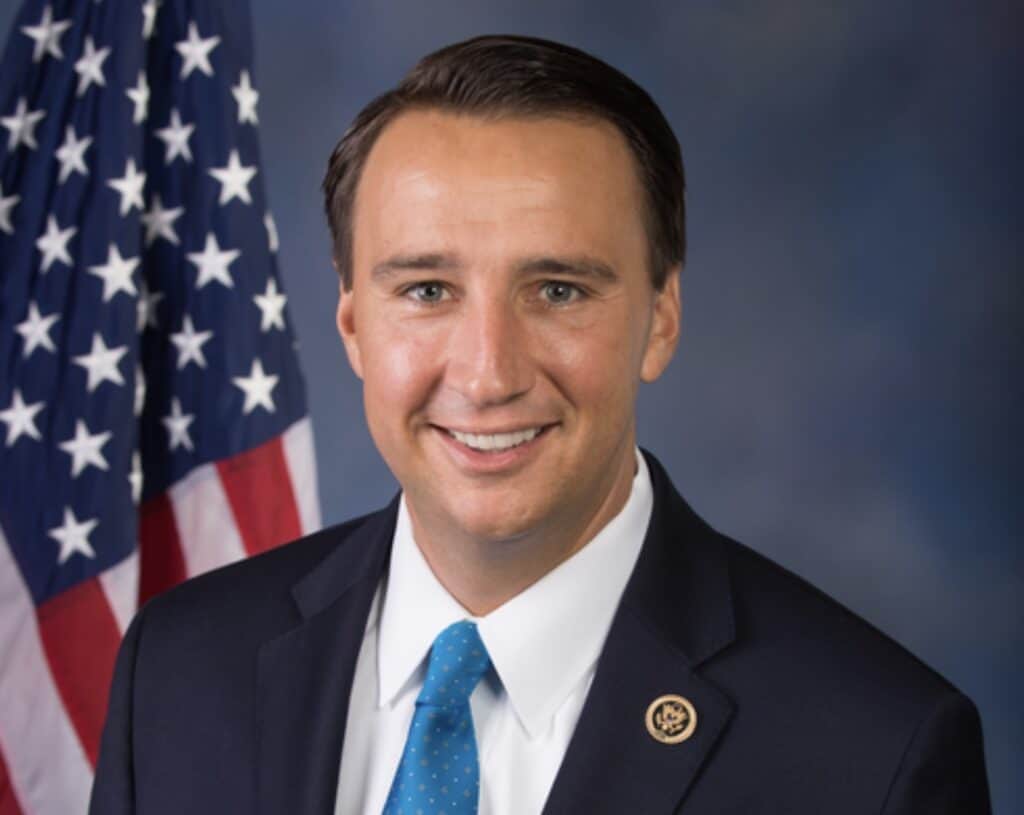
Ryan Costello is a former Republican Congressman from Pennsylvania.