After years in Congress working on health care policy, I learned that good policy often comes down to a simple principle: protecting taxpayers from unnecessary spending, while making sure patients get the care they need. The Trump administration’s proposal to change how Medicare pays for drugs purchased through the 340B program does exactly that.
Currently, Centers for Medicare & Medicaid Services (CMS) is proposing to reimburse 340B-acquired drugs at Average Sales Price minus 33.4 percent, rather than the current plus 6 percent. That figure is based on a nationwide survey of what hospitals actually pay to acquire these drugs — data Congress required CMS to collect.
That is an important distinction. This is not an arbitrary cut. It is an effort to bring Medicare payments in line with actual costs.
The administration has done yeoman’s work identifying waste, fraud and abuse across the health care system. This proposal is another example of finding an area where Medicare is paying more than necessary and correcting it.
Right now, some seniors can face cost-sharing on a drug that is greater than what the hospital paid to acquire it. That makes little sense. CMS estimates this proposal would reduce seniors’ out-of-pocket drug costs by $1.15 billion in the first year, while reducing Medicare drug spending by another $4.55 billion.
And contrary to what some critics are saying, this is not a cut to hospitals.
A new analysis from Avalere Health found that 78 percent of hospitals would see higher overall Medicare Part B payments under the proposal. That includes 76 percent of geographically rural hospitals, all sole community hospitals in the analysis, and 88 percent of hospitals with fewer than 100 beds.
Why? Because the proposal is budget neutral. The savings from correcting 340B drug payments stay within the hospital outpatient system and are redistributed through higher payments for other services.
That matters, particularly in rural America.
Rural hospitals operate with fewer resources and thinner margins, and in many communities they are the only source of care for miles. If we want to protect rural health care, we should look first at how we can better direct existing Medicare dollars toward these hospitals — and avoid what is too often the easy answer: spending more.
This proposal does that.
It also leaves the 340B program itself untouched. Hospitals will continue to receive their 340B discounts from drug manufacturers. This is a change to how Medicare pays for those drugs, not a change to the discounts hospitals receive.
There is certainly a legitimate debate to be had about the 340B program and how it has evolved. Throughout my years in Congress I tried to tackle that debate and bring needed reforms to get the program in line with its original intent. But that debate should not obscure a basic principle: Medicare should pay appropriately for the care and drugs it purchases.
The Avalere analysis reinforces the point. The study found that a majority of 340B hospitals themselves would experience a net payment increase. The hospitals that benefit most are precisely the kinds of facilities policymakers have long sought to protect: smaller and rural hospitals.
That is what responsible policymaking looks like: use the data Congress asked for, correct an outdated payment methodology, lower costs for seniors and direct existing Medicare resources where they are needed most.
As a physician, I know that every health care dollar represents a choice. As a former member of Congress, I know that every Medicare dollar represents a responsibility to the taxpayer.
The Trump administration has made the right choice here. CMS should finalize this proposal.
Medicare should pay what drugs actually cost. Seniors should pay less. And rural and smaller hospitals should benefit from a smarter use of existing Medicare dollars.
That is good policy and good government.
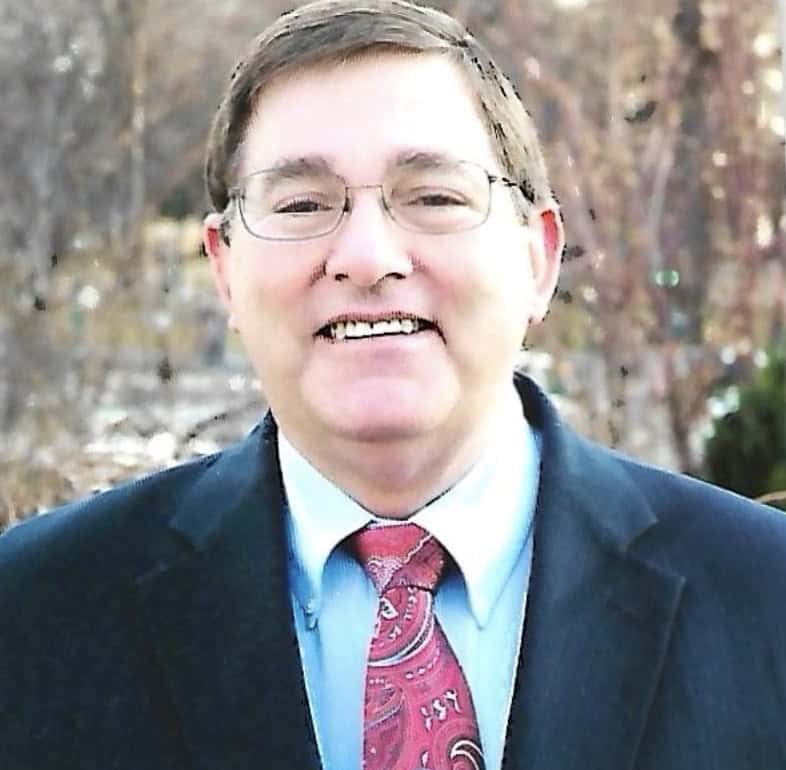
Rep. Michael C. Burgess, M.D., is a former U.S. Representative from Texas; Member, GOP Doctors Caucus; Founder of the Healthcare Caucus.