With electricity demand expected to grow 25 percent by 2030, America needs more energy, or households will face much higher utility bills. The good news is that the U.S. already has the reserves, the technology, and the workforce to produce more electricity. The bad news is that Washington bureaucrats will stand in the way. That’s why serious permitting reform matters.
The current system is so riddled with red tape and prone to litigation abuse that even projects with broad public support can be delayed for years or killed entirely from lawsuits from well-funded activist groups. Countless energy projects across America are stranded in limbo, driving up costs for families.
Permitting reform isn’t just some niche concern for oil and gas industry experts. It’s a kitchen table issue. By keeping a stranglehold on domestic energy exploration, transportation, and production, special interest groups have artificially increased the cost of living.
Fewer energy projects mean less supply, which in turn means higher prices. Energy affects the price of everything we do and everything we buy, and its impact goes far beyond fuel, putting upward pressure on prices throughout the economy.
Americans already endured a punishing inflation cycle under President Joe Biden. The last thing we need is another round of sharp price increases from an artificial energy shortage. Furthermore, the conflict in Iran has demonstrated the need for more domestic energy to counter disruptions overseas.
But more domestic production will require fixing the dysfunctional federal permitting system. Exhibit A: the National Environmental Policy Act (NEPA), which has become the most litigated environmental statute in the country because of its vague, open-ended language invites frivolous lawsuits and subjects even routine projects to sprawling environmental reviews with no defined endpoint.
Or consider the Endangered Species Act, which has been weaponized to block development in areas that are, by any honest scientific assessment, uninhabitable to the species in question. There’s also section 401 of the Clean Water Act, which some states misuse as a veto mechanism for blocking pipelines based on ideological grounds that have nothing whatsoever to do with water quality.
Instead of environmental safeguards, these measures now serve as tools to delay and deny Americans’ access to more affordable energy.
To be clear, responsible development and environmental protection aren’t mutually exclusive.
In fact, while becoming the world’s largest producer of oil and natural gas, the U.S. has dramatically reduced its energy-sector emissions, not through regulation but innovation.
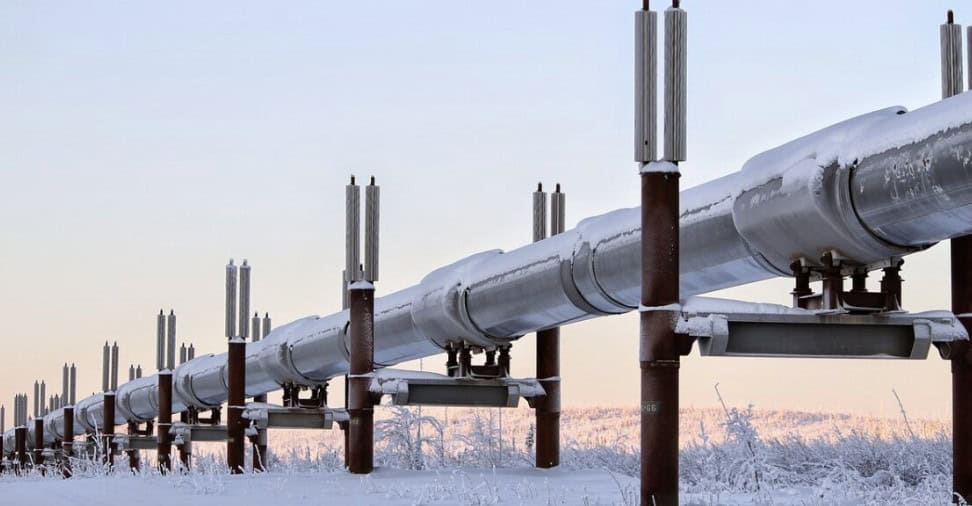
The problem isn’t environmental review, but a permitting process captured by litigation, weaponized by bad actors, and allowed to calcify through decades of congressional neglect. For example, the Mountain Valley Pipeline, a 300 mile, privately-funded pipeline bringing reliable natural gas from West Virginia to southern Virginia, took nine years to permit.
The goal is simple: eliminate the current regime of speculative reviews, duplicative requirements, and unlimited litigation windows. Regarding NEPA, Congress should prohibit the kind of speculative, open-ended assessments that have turned the environmental review process into a years-long exercise in delay.
Establishing firm timelines and closing litigation loopholes that allow opponents to challenge approved projects years are also key. A 150 day statute of limitations on NEPA challenges, running from the date of final agency action, would be a reasonable start.
On federal lands, the Bureau of Land Management (BLM) should be directed to use the expediting tools Congress has provided, rather than layering on additional reviews that serve no purpose except delay. A permit-by-rule system for low-impact wells would provide predictability for permitting and increase administrative efficiency.
For the Clean Water Act, Congress should clarify that section 401 certifications are limited to actual water quality concerns, while the Endangered Species Act should require that critical habitat designations reflect where a species actually lives. Both also need reform to eliminate sue-and-settle tactics that are a racket for trial lawyers.
And for the Natural Gas Act of 1938 regulating the interstate commerce of natural gas, Congress should streamline liquified natural gas export approvals by eliminating the dual-review process that adds uncertainty and delays. This last point underscores how energy security is national security, including for America’s allies in Europe and Asia desperate for reliable, affordable energy from a trusted partner.
Fixing the permitting process would make energy more affordable and decrease the world’s reliance on nations like Russia and Iran. Likewise, as China races to dominate artificial intelligence, more power at home would help ensure America wins that contest, too.
Energy is everything: national security, economic stability, prosperity and quality of life for Americans. We are blessed with abundant, reliable domestic energy that can help usher in peace and prosperity for our nation, and we need an agile permitting system which safeguards our water, air, land, and wildlife while facilitating the processes necessary for progress. These reforms are common sense ideas whose time has come.
EJ Antoni is the Chief economist at the Heritage Foundation. Daniel Turner is the Founder and Executive Director of Power The Future.