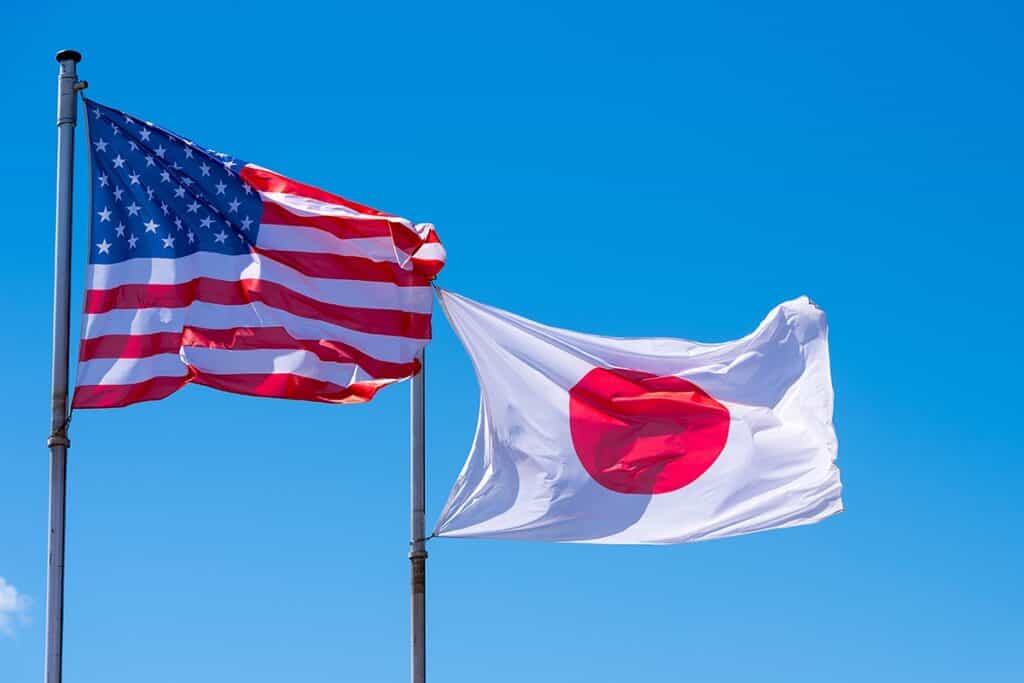
As President Donald Trump pushes wealthy nations to pay more for innovative medicines, congressional aides tell the Washington Reporter that Japan’s drug pricing policies could soon become a trade flashpoint between Washington and Tokyo.
“Congress is going to be livid if Japan keeps freeloading off American innovation,” a congressional source told the Reporter. “It directly undercuts President Trump’s work to make life more affordable for American families. Japan needs to fix this immediately.”
Former Rep. Michael Burgess (R., Tex.) made the case in the Reporter that the Administration should prioritize drug pricing in its negotiations with Japan: “President Trump has made clear that no American should pay more for a prescription drug than a citizen of any other wealthy country. Prime Minister Takaichi has said she wants to deepen the U.S.-Japan economic partnership. The March 19 summit is a chance to advance both goals at once. Trade talks with Japan have produced agreements on semiconductors, agriculture, and defense. For the benefit of both countries, it is time to add pharmaceuticals to the list.”
The growing scrutiny comes as the White House announced a pharmaceutical pricing agreement with the U.K., which administration officials describe as a significant step toward addressing long-standing complaints about foreign countries free-riding off American innovation.
“President Trump is the first American President to work with U.S. trading partners to ensure fair payment internationally for innovative pharmaceuticals and pharmaceutical ingredients,” U.S. Trade Representative Ambassador Jamieson Greer said as he announced the deal. “For too long, American patients have been forced to subsidize prescription drugs and biologics in other developed countries by paying a significant premium for the same products in ours.” Greer’s remarks were part of the administration’s announcement of the new U.S. and U.K. pharmaceutical pricing agreement.
Greer added that the administration is reviewing the pharmaceutical pricing practices of other U.S. trading partners and hopes additional countries will engage in similar negotiations.
While Europe has traditionally been the focus of trade criticism, several Hill sources told the Reporter that Japan’s policies are increasingly drawing scrutiny among lawmakers and administration officials.
According to those sources, Japan has steadily reduced the launch prices of innovative medicines relative to other major markets over the past decade. In addition to lower initial pricing, Japan frequently imposes price cuts throughout the patent life of medicines, a practice critics say further suppresses returns on pharmaceutical innovation.
In December 2025 Japan announced plans to continue aggressive price reductions despite the administration’s calls for developed nations to shoulder more of the cost of drug innovation. Japanese officials presented the changes as part of a larger initiative to maintain the nation’s universal healthcare system.
The issue could come to a head next week when Japanese Prime Minister Sanae Takaichi visits Washington for meetings with administration officials and members of Congress.
“The Prime Minister’s visit is a perfect opportunity to hold Japan accountable for ignoring President Trump and refusing to end their willful freeloading of U.S. innovation,” a senior Senate staffer told the Reporter. “If the administration misses this chance to hold their feet to the fire, Japan may conclude that the focus is only on European abuses.”
Administration officials say the U.K. agreement is likely the first of several negotiations with trading partners as the White House continues pushing for what it calls fair global pricing for innovative medicines.
The Japanese Embassy and the Japanese Ambassador to the U.S. did not respond to request for comment by the time of publication.