SCOOP: Polis vetoes credit card bill, avoiding Illinois-style legal mess
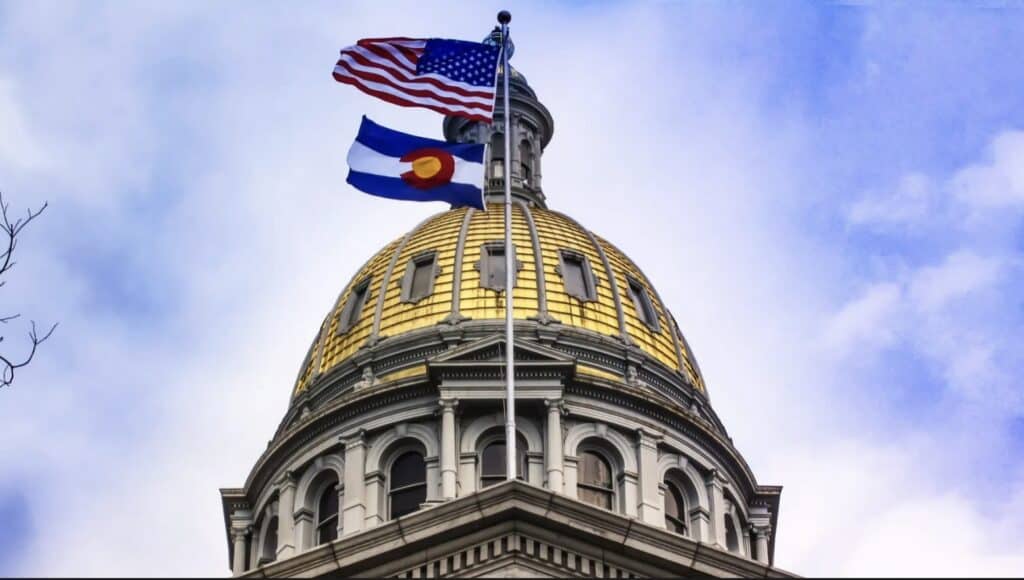
Colorado Gov. Jared Polis vetoed legislation that would have created a complicated credit card credit card payment system for certain transactions, a move supporters say protects consumers and businesses from a costly and legally questionable experiment that has already created significant problems in Illinois.
The bill, SB 26-134, would have made Colorado the second state in the nation to adopt a restriction modeled on Illinois’ law. The bill would have prohibited credit card companies from receiving payments for payments made for sales taxes. Opponents warned the proposal would force major changes to payment-processing systems, create compliance headaches for businesses, and cause years of litigation.
In his veto message, Polis pointed directly to the uncertainty surrounding Illinois’ law, which has become the subject of ongoing legal challenges and industry opposition. Polis concluded the risks outweighed the potential benefits.
“The governor made the right call,” one political strategist familiar with the issue told the Washington Reporter. “Illinois has become a cautionary tale. Polis looked at the legal uncertainty, the compliance burdens, and the potential disruption to consumers and decided Colorado didn’t need to repeat that mistake.”
The decision drew praise from financial institutions, credit unions, airlines, and payments-industry groups that had lobbied aggressively against the legislation. Opponents argued the bill would have imposed costly new mandates on businesses while creating uncertainty for consumers who rely on credit-card rewards programs and electronic-payment systems every day.
The Electronic Payments Coalition called the veto a win for consumers, small businesses, and Colorado’s broader economy. Credit-union advocates similarly applauded the decision, warning that the legislation could have created significant operational challenges throughout the state’s financial system.
The veto also highlights Polis’ reputation as one of the country’s more business-friendly and pragmatic Democratic governors. While he has often aligned with fellow Democrats on social and environmental issues, he has repeatedly shown a willingness to reject legislation he believes could damage economic growth or create unintended consequences.
The debate is expected to continue in state legislatures and in Congress. However, with the Office of the Comptroller of the Currency recently taking action against Illinois’s law, many states may decline to follow the Illinois model.