America’s economy is the envy of the world. We’re creating jobs, inflation has cooled, and the stock market is at record highs.
Yet for millions of families, financial security feels as fragile as ever. They are earning, but not saving. They are working hard, but still one emergency away from falling behind.
That gap between growth on paper and stability in the bank account speaks to a structural issue that has plagued our nation for nearly two decades. We’ve built an economy that rewards spending but does little to incentivize saving and long-term planning. And that imbalance — along with the sluggish recovery from 2008 and the rampant inflation following the COVID-19 pandemic — has utterly degraded the ability of ordinary families to prepare for the future.
The numbers paint a deeply concerning picture. Nearly 60 percent of Americans say they’d struggle to cover a $400 emergency. Credit-card debt has topped $1 trillion. And more than two-thirds of parents worry they will never save enough for college.
These aren’t just statistics. They’re a sign that the culture of savings that once defined the American middle class is slipping away.
Families today are being pulled in two directions at once. They have to plan for the unexpected — a job loss, a surprise medical bill, or the loss of a loved one — while also trying to build toward the future with college savings and retirement plans. It’s a constant juggling act between protecting today and preparing for tomorrow. For many families, that balance feels impossible to get right.
This is precisely where the federal government can play a critical role. Elected leaders, on both sides of the aisle, have long championed small policy changes that encourage and incentivize families to prepare and save for the future. And that remains the correct approach. When the government makes saving slightly easier and slightly more rewarding, Americans do the rest themselves.
There are plenty of examples to choose from. 529 college plans have helped millions of parents turn spare dollars into tuition funds. The “inside build-up” provision in life-insurance policies lets families protect loved ones and build tax-deferred savings at the same time. And proposals like Trump Savings Accounts, or so-called “baby bonds,” will give every child a financial head start and a compounding stake in the American economy.
Each of these policies is small but meaningful. They don’t create new bureaucracies or balloon federal spending. They work because they leverage human nature to incentivize action. When we make saving a little easier and a little more rewarding, people do it.
As we look ahead, Congress should build on that model. Families need policies that expand access to advice, encourage saving at all stages of life, and strengthen financial literacy in every community. Those three pillars — saving, advice, and education — are the foundation of long-term financial security. These aren’t partisan ideas. They are practical steps that make it easier for people to protect their families and plan for their futures.
None of this is flashy. It won’t dominate cable news or drive social-media traffic. But it will help millions of Americans who increasingly feel like they’re living on the edge.
The truth is, we are facing a crisis of financial insecurity in this country. Too many families are one setback away from real hardship. They want to save, but high costs, complex rules, and growing uncertainty make it far harder than it should be.
That can change. Congress has the tools to help fix it.
Ways and Means Chairman Jason Smith (R., Mo.) and Ranking Member Richie Neal (D., Mass.) have both led on family-focused policy before. They should do it again. A focused set of bipartisan reforms can turn the tide and enable American families to, once again, build a cushion and save for their futures.
If we want a strong, resilient economy, we need stronger households. That starts with helping people save.
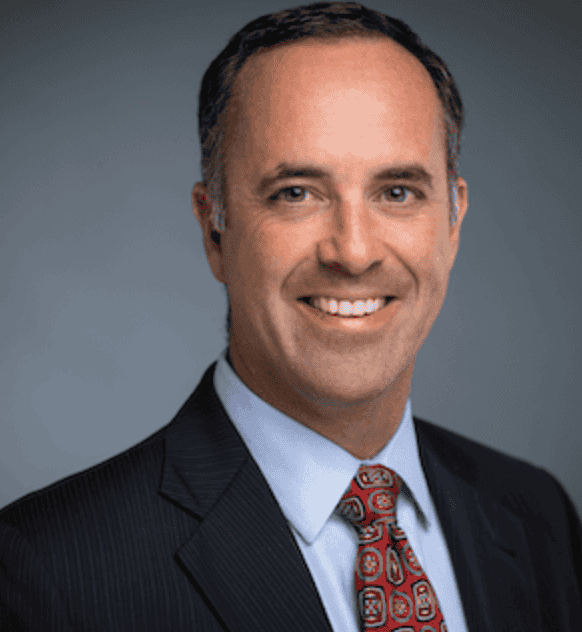
Marc Cadin is the Chief Executive Officer of Finseca.